

Self Discipline : ค้นหาหนังสือธรรมะ หน้า 3 / 6
หน้าหนังสือทั้งหมด
141
Understanding Impermanence, Suffering, and Not-Self
Impermanence [aniccān]: This is the built-in character of objects that are of a nature to change the whole of the time. Such things as the Five Aggregates of the Human Body are changing the whole of t
This text delves into the fundamental Buddhist concepts of impermanence (aniccān), suffering (dukkham), and not-self (anattā) as expressed through the Five Aggregates of the Human Body. It highlights

14
การสร้างพื้นฐานที่แข็งแกร่งในครอบครัว
involvement with this distrustful person. Good people will not
want to befriend dishonest people because they do not want to
gain a bad reputation through association.
So if a person in a family does
involvement with this distrustful person. Good people will not want to befriend dishonest people because they do not want to gain a bad reputation through association. So if a person in a family does
143
Truth for the Family: Understanding Precepts and Human Nature
Part Five: Truth for the Family
stockpile of behavioral (social, emotional and spiritual)
problems, creating a generation of people who are only
interested in themselves. Ignorance is the force behind
In this section, we discuss how behavioral problems contribute to a self-centered generation and the role ignorance plays in social issues. Parents often blame external factors for their children's st
22
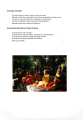
Formation of Good Habits
Formation of Habits
* The work which is done in each of the five rooms
* Attitude toward the consumption of the four necessities in these rooms
* The way to consume the four necessities in these rooms
This text discusses the various aspects of habit formation, emphasizing the importance of attitude towards life's necessities, manners in living and working together, and one's approach to livelihood.
26
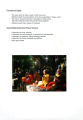
Formation of Habits
Formation of Habits
. The work which is done in each of the five rooms
. Attitude toward the consumption of the four necessities in these rooms
. The way to consume the four necessities in these rooms
This text discusses the formation of habits in various aspects of life, focusing on the work done in different areas and attitudes towards basic necessities. It emphasizes the importance of good habit
19
Understanding Buddhism: Key Concepts and Texts
death
chronicle
position
awake with awareness
awake in the sea of merit
fire contemplation; fire as meditation device
shrine; altar; group of tables containing images of Buddha
triple robe; the three
This text delves into crucial Buddhist principles including the Tipitaka, which is a comprehensive scripture forming the foundation of Buddhist teachings. It encompasses three baskets: Vinaya Pitaka,
107
परम ध्यान और आत्मा का केंद्र
(sleeps).
Luang Phaw Wat Paknam explained that the ability to bring our mind to a standstill at this centre of the body is what we call ‘majjhima’ or ‘centering’. When the mind comes to a standstill
लुआंग फॉ वट पाकनम ने समझाया कि शरीर के केंद्र पर ध्यान लाने की क्षमता को 'मध्यम' कहा जाता है। यह वह बिंदु है जहाँ मन सद्भाव में आता है, और इसे अच्छे या बुरे के संदर्भ में नहीं रखा जा सकता है। इसके द्व
232
Exploration of Metaphors in Buddhist Philosophy
snake, poisonous, mistaken for rope spire, a palace - {metaphor for Mid-
- {metaphor for self-mortification dle Way 38-9} 36}
spouses, categories of 154-6
snake - {metaphor for craving 88}
sprite, ear
This text explores several metaphors used in Buddhist philosophy, including the snake as a metaphor for craving and its relationship to the concept of suffering. It further elaborates on the significa
159
Truth for the Family: Essential Practices for Moral Living
Part Five: Truth for the Family
2. Moral Discipline (silamaya) - Observing moral
behavior by restraining our speech and actions to do
only good; not causing turmoil for others.
3. Meditation Practice
Part Five discusses vital practices for families to cultivate a moral lifestyle. It highlights the importance of moral discipline (silamaya), meditation (bhavanamaya), and humility (apacayanamaya) amo
156
Purification of the Mind: A Path to Enlightenment
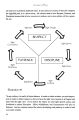
3. Purify the mind: Keep one's mind bright and clear all the time, while inhaling and exhaling. If a person inhales and does not exhale, that person's life will come to an end. Death bears no sign of
This text emphasizes the importance of maintaining a clear and bright mind through inhalation and exhalation. It explains how a person's mental state can determine their spiritual fate in the afterlif
73
The Path to a Balanced Mind
Suzanne Jeffery
can lead us to a perfectly balanced mind. In any culture or society, if they don’t support the eightfold path, it is a throw-away. All cultures need to have Respect, Patience, and Dis
This text emphasizes the importance of respect, patience, and discipline in achieving a balanced mind and wisdom. It suggests that all cultures must embrace these values to ensure peace and wisdom. Th
112
Meetings with a Dharmar Master
Meetings with a Dharmar Master
[With this, he smiles because many of the people in the room are past 50. And they are groaning at the thought that they are passed the meditation stage.]
If we can er
In a meeting with a Dharmar Master, the conversation revolves around the path to enlightenment and overcoming defilements. The Master emphasizes that eradicating defilements is essential for reaching
50
Knowledge and Practices in Insight Meditation
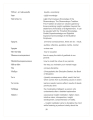
วิจกิฉานา, ความลังเลสงสัย doubts, uncertainty
วิชชา (vijjā) knowledge
วิชชาธรรมกาย (vijjā Dhammakāya) Knowledge of the Dhammakaya; The Dhammakaya Tradition. This Tradition is based on wisdom gaine
เนื้อหานี้เกี่ยวกับการศึกษาแนวคิดต่างๆ เกี่ยวกับวิชชา วิญญาณ และการปฏิบัติในวิปัสสนา ซึ่งเป็นกระบวนการฝึกจิตเพื่อสร้างความเข้าใจในความจริง ภายใต้แนวทางของธรรมกาย ความสำคัญของการระลึกถึงความดีของพ่อแม่
51
No Content Provided
the changes, but Luang Phaw set the foundation for
the formal teaching of meditation to the monks. Luang Phaw
was very just. He was not biased, but at the same time his
decisions were clear cut and sa
No summary available as no text was provided.

118
แก่นแห่งคำสอนของพระพุทธศาสนา
สนทนาธรรมยามว่าง
โดย ดวงธรรม
The Gist of Buddhist Teachings
แก่นแห่งคำสอนของพระพุทธศาสนา
Tom : Rob, did you begin reading Buddhist scriptures?
Rob :
Yes, but there are so many volumes. I think that I
สนทนาธรรมยามว่าง โดย ดวงธรรม The Gist of Buddhist Teachings แก่นแห่งคำสอนของพระพุทธศาสนา Tom : Rob, did you begin reading Buddhist scriptures? Rob : Yes, but there are so many volumes. I think that I
20
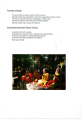
Formation of Habits
Formation of Habits
• The work which is done in each of the five rooms
• Attitude toward the consumption of the four necessities in these rooms
• The way to consume the four necessities in these rooms
The text discusses the formation of habits across five key areas of life, emphasizing proper training for cultivating good habits. It highlights attitudes towards necessities and living together, as w

13
Perseverance, Fortitude, and Devotion
PERSEVERANCE,
FORTITUDE, AND DEVOTION
136. Endure
137. Improve
138. Having a strong will
139. The speed of the captain
is the speed of the crew
140. Born to fight
141. Fight t
This text emphasizes the importance of perseverance, fortitude, and devotion as essential traits for overcoming challenges and achieving greatness. It discusses key principles such as humility, cleanl
46
Journey to Joy
Journey to Joy
46
46
universal love, the love of all of humankind
without expectation of reward or gain.
To love ourselves in the appropriate way,
we have to still the mind by relaxing and gently
clos
In this chapter, the focus is on cultivating universal love and self-love without expectations. By relaxing the mind through meditation, individuals can achieve inner peace and a sense of cleansing th
24
Dhamma for Laypersons and the Four Levels of Beauty
A person who has the Dhamma for Laypersons
(Gharāvās-dhamma) must display four regular habits:
1. Habit of Responsibility – Whatever the task at hand, he must do it to the best of his ability, in t
A person who follows the Dhamma for Laypersons exhibits four habits: responsibility, self-training, endurance, and sacrifice. These traits ensure self-reliance and leadership within families. In marri
53
Self-Development and Teacher Training Initiatives
Meeting #8
January 03, 2010
Today I am here with Luang Pi Joshua and Luang Pi Anurak. I have just returned to Bangkok and the Wat, after spending the end of 2009 in New York, helping my daughter move
In this meeting, various educational initiatives are discussed, focusing on self-development programs and teacher training. Projects include a Self-Development program inspired by the Five Rooms and S